Laying the Foundation: Planning Your Health Workshop
When organizing health education workshops, it's critical to start by laying a solid foundation. This initial stage revolves around a deep understanding of your audience, which assists in tailoring your content to address their specific needs and interests. You first want to identify who your audience is.
Ask yourself questions like, "Who are the participants?" What are their health concerns or interests? This means evaluating your audience’s cultural, social, and economic backgrounds to make sure the content will resonate with them. Knowing your audience also helps in identifying the barriers they might face in accessing health information, which can guide you in developing strategies to make the information more accessible.
Once you've grasped who your audience is, setting clear objectives is the next step. An effective health workshop doesn’t just happen; it requires well-defined goals. You want to pinpoint what you hope to achieve by hosting this workshop. Is it increasing participants’ knowledge of a health issue, empowering them to lead a healthier lifestyle, or perhaps inspiring action towards better health practices?
By articulating these objectives clearly, you can design your workshop to best achieve them. It also helps in measuring the success of your event afterward, as you’ll have specific outcomes to assess. In addition, clear objectives guide the selection of content and teaching methods, directly affecting your workshop's shape and ensuring it meets the educational needs of the audience. Always link the objectives back to the identified audience needs for a truly bespoke approach.
Now let’s talk about topics. Selecting relevant topics plays a big role in the success of your workshop. Ideally, topics should align well with both the audience's interests and the overarching objectives you've set. When choosing, consider health issues that are prevalent or particularly relevant to your audience's community.
Remember, the key to effective health education is making sure the content is relatable. Don't forget to pre-plan to ensure cultural appropriateness; the role of education in health promotion thrives on meaningfully connecting with participants. This pre-planning allows the incorporation of cultural nuances and language that respect the audience's background.
Creating Inclusive and Engaging Content
When developing your content, taking a conscious step toward inclusivity and engagement is key. This part of planning involves creating an environment and materials that acknowledge and respect the rich tapestry of cultures, languages, and histories within your audience.
Begin by tailoring your content to be culturally relevant. Respectful references to cultural norms and terminologies make the workshop feel like a welcoming space. Collaborate with community leaders or cultural experts to make sure your content is sensitive and precise, offering a deeper connection by portraying an understanding of participants' lived experiences.
Interactive methods play a significant role in conveying your message effectively and keeping your audience engaged. Moving away from traditional lecture styles towards more dynamic interaction is key. Here are some practical tips:
Group Discussions: Facilitate small group discussions. These not only encourage participants to engage more deeply with the topic but also provide opportunities for peers to learn from each other's experiences.
Hands-on Activities: Develop activities that allow participants to apply learning in a tangible way. This could be a demonstration of a cooking technique for better nutrition or a simple exercise routine they can incorporate into their daily lives.
Use Visual Aids: Utilize visuals like charts, infographics, or videos that resonate with diverse learning styles. Make sure they reflect the participants' world; this can mean using images of individuals from similar backgrounds engaging in healthy behaviors.
Role-Playing Scenarios: Create scenarios based on common situations that affect health and wellness where participants can role-play. This method isn’t just engaging; it helps participants practice new skills in a safe environment.
It’s key that content is not only educational but also matches the participants' interests and needs in public health education domains. Encouraging active participation from your audience through these interactive methods fosters an educational atmosphere that supports active learning and retention of information.
Education’s role in public health transcends merely imparting knowledge; it ignites a ripple of empowerment throughout communities. A workshop that embraces diversity potentially amplifies health outcomes as participants feel seen and understood, fostering a sense of collective empowerment.
Executing with Impact: Delivering Your Workshop
After meticulously planning the key elements of your health education workshop, it’s time to examine the delivery phase, where everything comes to life. The execution determines whether your meticulously orchestrated components effectively translate to the audience, improving health care access through education.
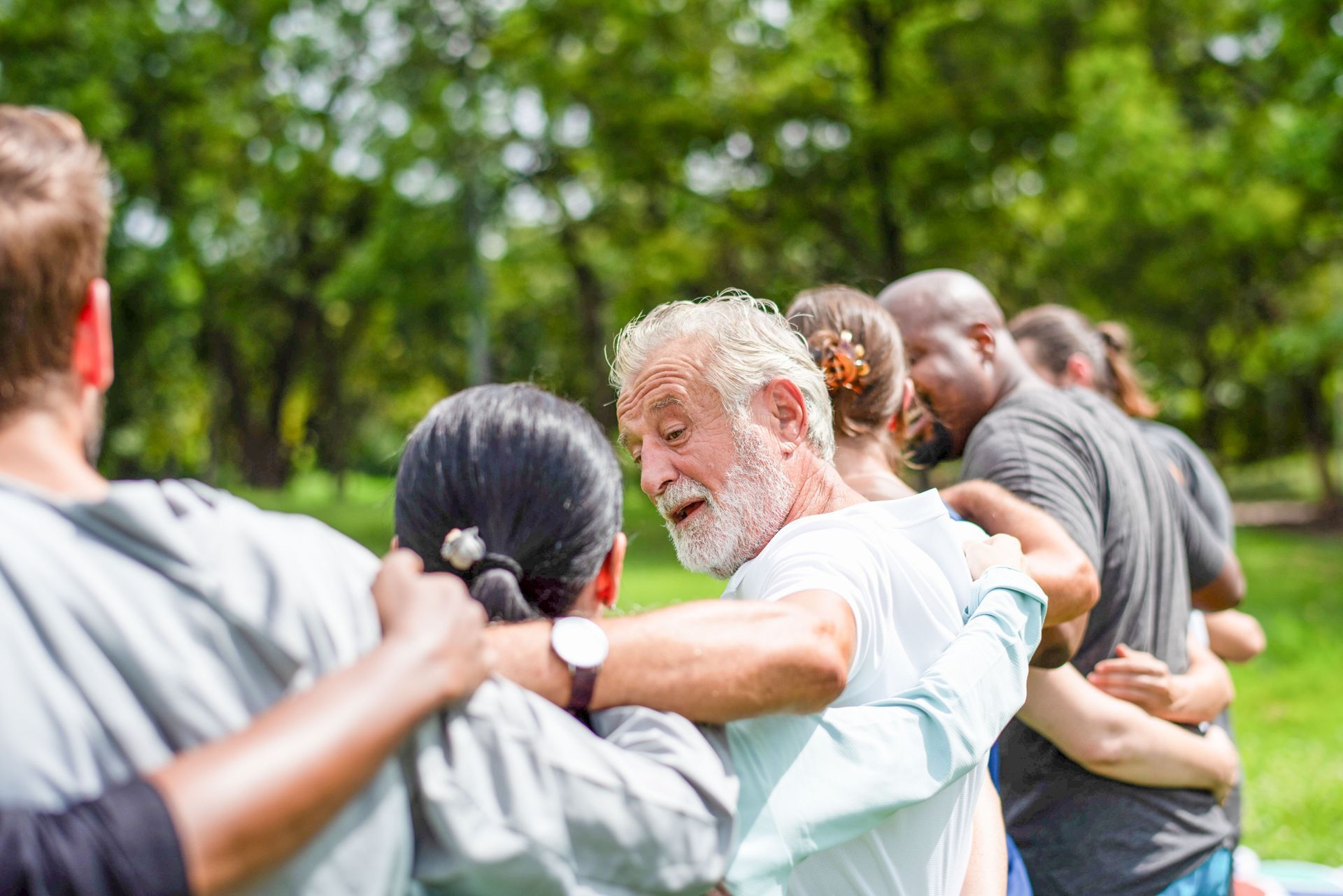
First off, let's summarize some pivotal tactics for executing the workshop with a remarkable impact. Engaging participants is a cornerstone of successful delivery. One way is by inviting personal stories, allowing participants to share their experiences related to the workshop's theme. This personalizes the session, forging connections and building relatability within the group.
Another method is by using icebreakers. These set a relaxed tone and encourage participants to interact with one another, easing any initial hesitation. Remember to utilize feedback in real time. This can involve asking open-ended questions like, "What are your thoughts on this?" or "How does this resonate with your experience?" Adjustments based on spontaneous queries can steer the workshop to align more closely with the audience’s immediate needs. It might sometimes involve slowing down the pace to explain concepts more thoroughly if necessary.
Highlight the importance of creating a safe and supportive environment. Why? This involves setting clear expectations at the beginning—reassuring participants that their questions and opinions are valued, and interruptions for clarification are welcomed. Such an approach fosters continuous engagement and warrants active participation throughout the session.
Furthermore, let’s explore strategic tips for adapting in real time to audience needs, which is critical in fostering effective health workshops.
- Start with Dynamic Assessments: Use quick surveys or tech tools like audience response systems to gauge understanding and interest rapidly.
- Turn Unexpected Challenges into Learning Opportunities: If participants express difficulties with certain content, pivot your approach to include simplified explanations or interactive demonstrations to elucidate complex ideas.
- Monitor Nonverbal Cues: Look out for signs of confusion or disengagement and tweak your method if needed, such as breaking into smaller discussion groups or incorporating illustrative storytelling.
- Encourage Peer Learning: Allow breakout discussions where participants can share insights with each other, further enriching the dialogue with different perspectives.
For further effectiveness, throw in role-modeling practices. Share personal narratives that intersect with their realities, thereby uplifting the authenticity of the discourse. These adaptive strategies ensure your workshop not only delivers high-quality information but also fosters a participatory culture.
Related:
How Does the Big Beautiful Bill Influence Community Health?
Looking for Expert Help?
Organizing a workshop is not just about the day of the event; it's about all the pieces coming together to create a meaningful experience. Imagine this: as the participants walk away, inspired and informed, they're not just carrying resources but also the motivation to make tangible changes in their lives. Crafting this outcome involves a thoughtful execution that intertwines passionate delivery with experiential learning. It’s about leaving an imprint that resonates long after the event, transforming knowledge into action.
With every workshop, think of creating a supportive bridge connecting the learned insights to everyday realities. Ad Meliora's approach to health education is rooted in the understanding that real-world applications make learning impactful. This is where the services come into play—offering individualized support through our Home Health Excellence solutions.
The transition from education to empowerment becomes seamless when attendees realize they have access to personalized health care services that reflect the knowledge gained. Our team is committed to delivering compassionate and clinically expert home health services, which transform learned principles into personalized care. We understand that individual care needs are as diverse as the communities we serve.
This is where our services harmonize with educational endeavors, ensuring continuity of care that respects and fulfills the unique health goals of each participant. The enrichment from a workshop becomes a living practice in daily life. You can rest assured knowing that
Ad Meliora supports you every step of the way, regardless of your health care journey’s complexity.
Experience trusted home health care tailored to your life.
By choosing Admeliora Health, you’re not just opting for an event or service; you’re investing in a continuum of growth and health enhancement tailored just for you.